Is Your Favorite Bar Playing Tricks on You?
Nov 7
/
Costa Vic
What if your favorite bar is playing tricks on your brain?
From glass shapes that fool your eyes to music that changes how drinks taste, discover five surprising bar illusions and why they might actually make your experience better.
From glass shapes that fool your eyes to music that changes how drinks taste, discover five surprising bar illusions and why they might actually make your experience better.

🍸 Is Your Favorite Bar Playing Tricks on You?
You walk into a bar, order your favorite drink, and take that first satisfying sip.
Everything feels just right.
But here's something you probably haven't considered: How much of that experience comes from the drink itself, and how much comes from everything surrounding it?
Bars have a few fascinating tricks up their sleeves. Some make drinks feel more luxurious. Others can change how you perceive flavor, value, and even how quickly you're drinking.
And surprisingly, science supports some of them.
So, are these illusions clever ways to improve your night, or are they quietly fooling you?
Let's find out.
🥃 The Tall Glass Illusion: Bigger Doesn't Always Mean More
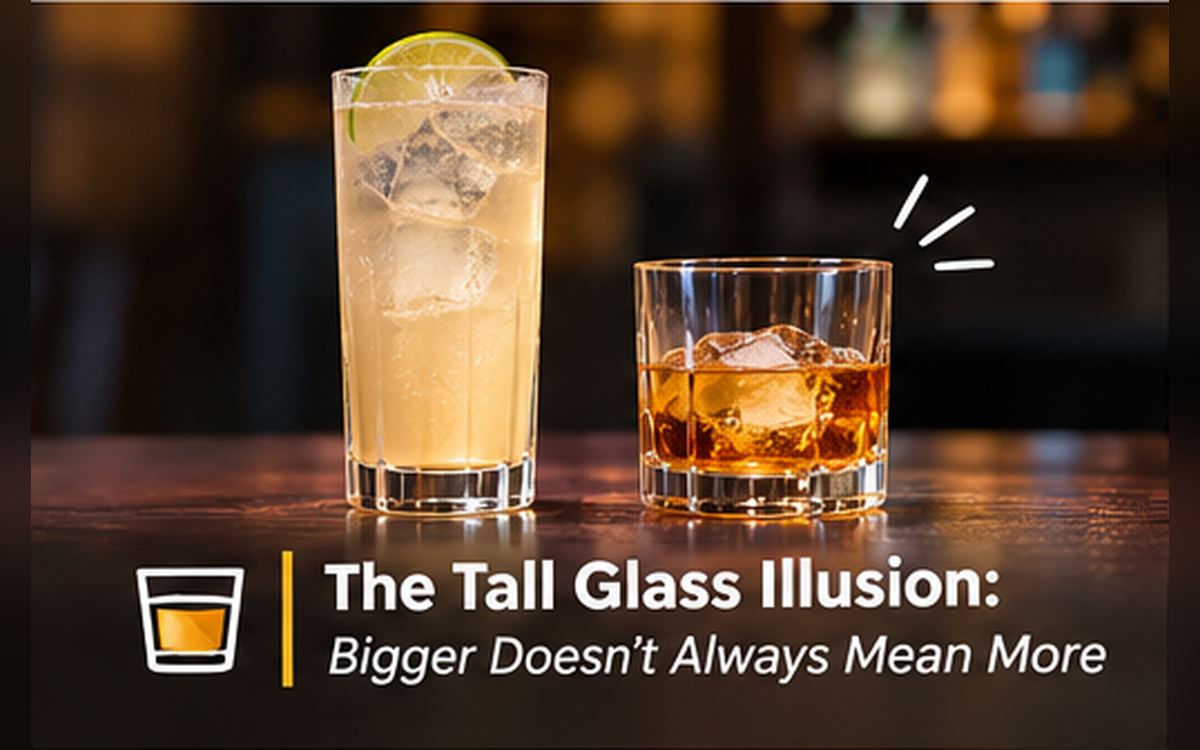
Picture two cocktails. One comes in a tall, narrow glass. The other arrives in a short, wide tumbler.
Which contains more alcohol?
Your eyes might immediately choose the taller one.
But height can be deceiving.
In a study published in the BMJ, experienced bartenders poured approximately 20% more alcohol into short, wide glasses than tall, narrow ones of the same capacity when attempting to pour the same amount.
Even years of bartending experience didn't completely eliminate the effect.
The surprising part: A drink that looks smaller could actually contain more alcohol.
Is it a trick? Not necessarily. But it's a good reminder that glass size and alcohol content aren't the same thing.
🍷 The Expensive Wine Illusion: Can Your Brain Taste a Price Tag?
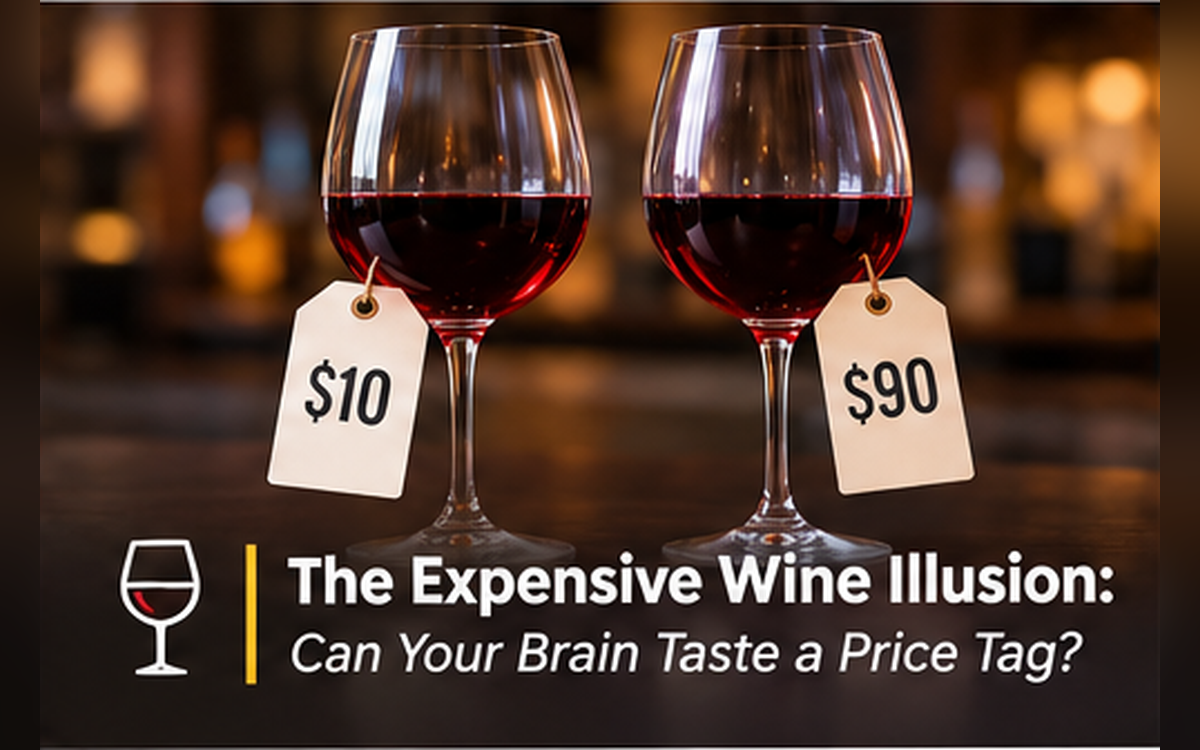
Imagine tasting two glasses of wine.
You're told one costs $10 and the other costs $90.
Naturally, you might expect the expensive wine to taste better.
Now imagine discovering they're exactly the same wine.
In a fascinating experiment published in the Proceedings of the National Academy of Sciences, researchers found that participants reported greater enjoyment when they believed wine was more expensive.
Their brain activity associated with experiencing pleasure also changed.
The wine didn't improve. The expectation did.
The surprising part: Sometimes, the price changes your experience more than the product itself.
Does this mean expensive wine is a scam? Of course not. Quality matters. But a higher price alone doesn't guarantee you'll enjoy something more.
🎶 The Music Illusion: Your Playlist Might Be Seasoning Your Drink
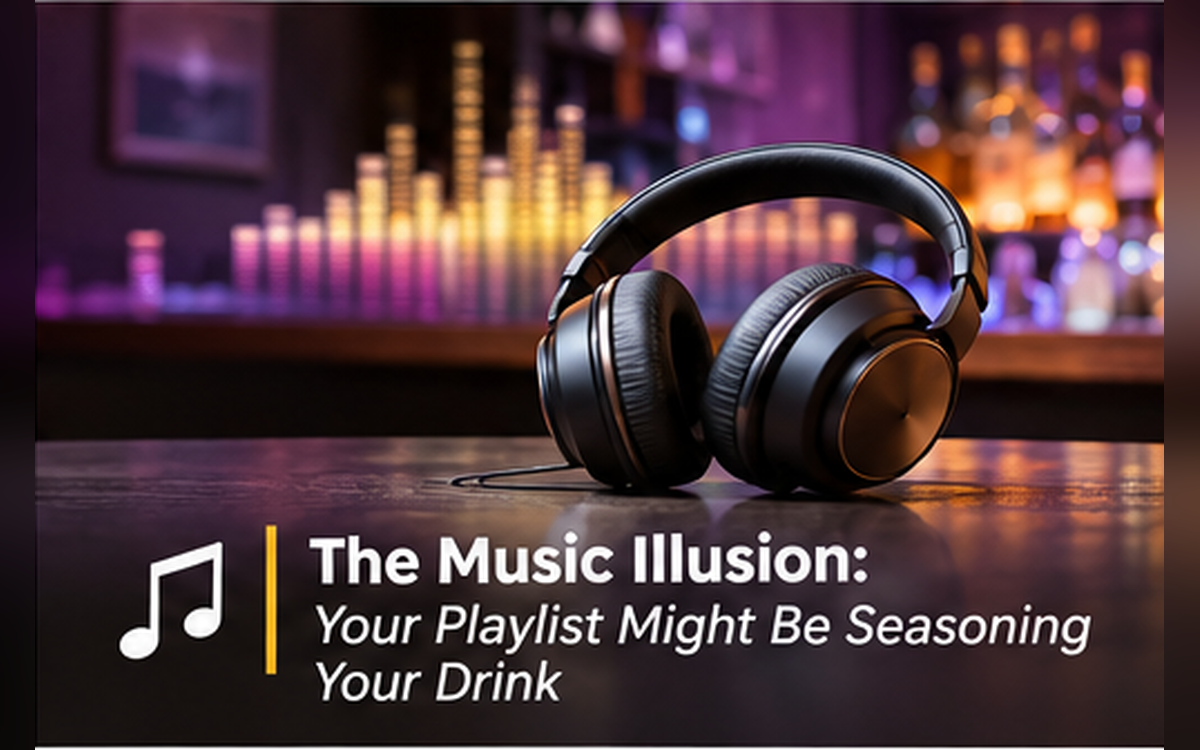
Ever wonder why some bars play soft jazz while others blast energetic music?
It's not always just about setting the mood.
Research published in the British Journal of Psychology found that background music influenced how participants described the taste of wine.
Depending on the music, the wine was perceived as more powerful, refreshing, mellow, or refined.
The recipe didn't change. Neither did the wine.
Only the soundtrack.
The surprising part: Your ears can influence how your brain interprets what your tongue is tasting.
That's why the right atmosphere can make an ordinary evening feel special.
Good hospitality isn't always about adding something to your drink. Sometimes, it's about creating the perfect environment to enjoy it.
💎 The Heavy Glass Illusion: Why Whiskey Feels Better in Crystal
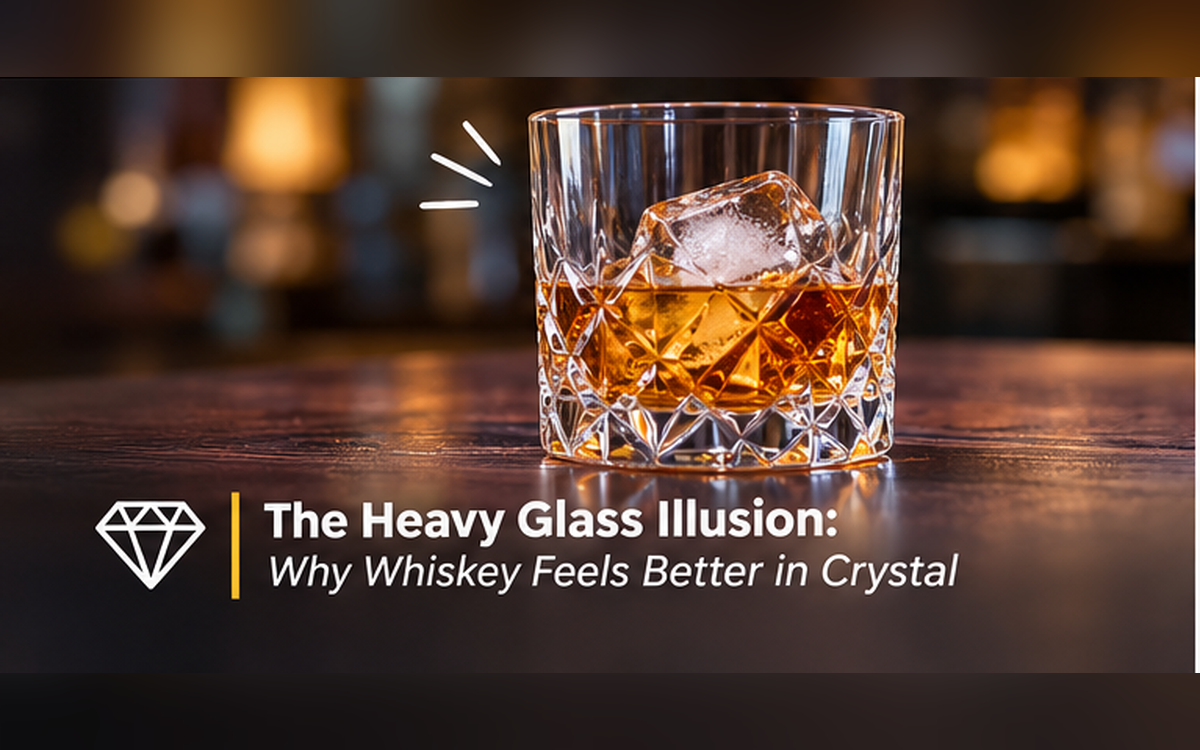
There's something satisfying about a whiskey served in a thick, heavy glass.
The weight. The texture. The sound when it touches the bar.
It just feels expensive.
But does the weight of a glass actually influence the drinking experience?
Research involving green tea found that participants perceived identical tea differently depending on the thickness and weight of the glass. Heavier, thick-lipped glasses increased perceived sweetness under certain experimental conditions.
That doesn't prove whiskey tastes better in crystal, but it demonstrates how touch can influence our perception of beverages.
The surprising part: Your hands may be contributing to what your brain thinks about your drink.
A quality glass isn't necessarily a trick. It can be part of the craftsmanship that makes a drink more enjoyable.
🍺 The Curved Beer Glass Illusion: Are You Drinking Faster Than You Think?
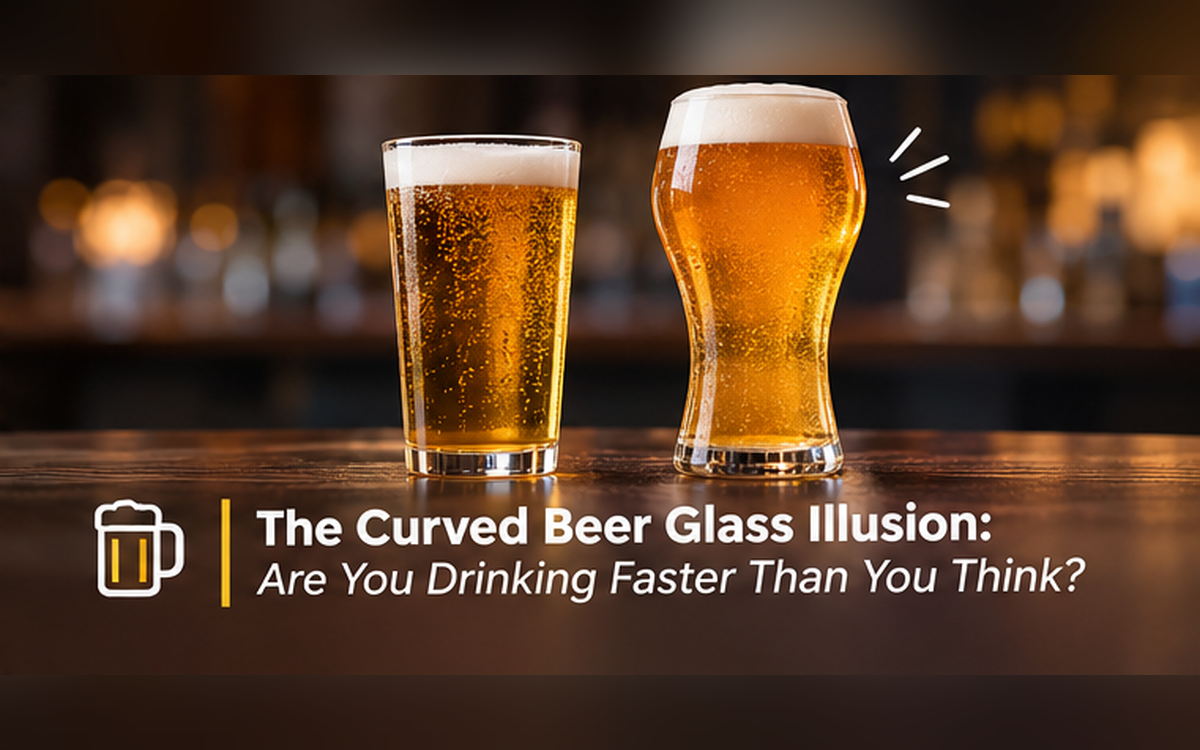
This might be the most unexpected illusion of them all.
Researchers at the University of Bristol discovered that participants drinking beer from straight-sided glasses consumed it more slowly than those drinking from curved glasses.
In one experiment involving full glasses, participants took approximately 60% longer to finish their drinks when drinking from straight-sided glasses.
Why?
One possible explanation involves the halfway point.
With a straight glass, it's relatively easy to judge how much you've consumed.
With a curved glass, your brain can have a harder time estimating how much remains.
And when you misjudge your progress, your drinking pace may change.
The surprising part: The shape of your beer glass might influence how quickly you finish your drink.
This doesn't happen to everyone, but it's a fascinating reminder that even small design choices can affect drinking behavior.
🎭 So, Are These Illusions Good or Bad?
Here's where things get interesting.
Not every illusion is intended to deceive you.
Think about going to a movie theater. The lighting, sound, comfortable seats, and enormous screen all contribute to the experience.
You aren't just paying to watch a movie. You're paying for an atmosphere that makes the movie more enjoyable.
Great bars work in a similar way.
A thoughtfully selected glass, the right music, beautiful presentation, and a comfortable environment can transform an ordinary drink into a memorable experience.
And that's where customers benefit.
These details can make drinks more enjoyable without changing the ingredients. They can create a relaxing atmosphere, encourage appreciation of flavors, and make an evening feel more special.
But understanding these illusions offers another benefit: It helps customers make more informed decisions.
You begin to recognize that expensive doesn't always mean better, a taller glass doesn't necessarily contain more alcohol, and appearance alone can't tell you how strong a drink is.
That awareness can help you judge value more confidently and pay closer attention to how much you're drinking.
⚖️ The Difference Between Hospitality and Deception
There's nothing wrong with making a cocktail look beautiful or creating an atmosphere that enhances its flavor.
The problem begins when appearances are used to mislead customers about what they're paying for, how much alcohol they're receiving, or how much they've consumed.
A great bartender doesn't rely on illusions to hide what's in a glass.
They understand their ingredients, measure drinks accurately, and know when responsible service matters more than making another sale.
The best hospitality doesn't trick customers into having a good time. It creates an experience worth enjoying.
And that's something both bartenders and customers can appreciate.
🛡️ Great Hospitality Starts With Responsible Service
Understanding how guests experience their drinks is fascinating. Understanding how to serve those drinks responsibly is essential.
Illinois BASSET training helps alcohol servers and sellers develop the knowledge needed to recognize signs of intoxication, check identification, and understand responsible alcohol service requirements.
Because behind every great bar experience should be someone who knows what they're serving.
Get BASSET certified online at IllinoisBASSET.com
Copyright © Certified Online Training LLC 2026/2027. Illinois BASSET ® is a registered trademark.
www.bartenderillinois.com
www.bartendingillinois.com
www.bartendingschoolillinois.com
www.bassetbartender.com
www.illinoisbassetcard.com
www.bassetillinoiscertification.com www.bassetcertificationillinois.com www.bartenderlicenseillinois.com
www.bartendingillinois.com
www.bartendingschoolillinois.com
www.bassetbartender.com
www.illinoisbassetcard.com
www.bassetillinoiscertification.com www.bassetcertificationillinois.com www.bartenderlicenseillinois.com
www.idphfoodhandler.com. www.foodhandlerillinois.com www.ilccbasset.com www.bassetillinoisofficial.com. www.illinoisbassetofficial.com
basset certificate, illinois servsafe, online basset certification,"food handlers certificate",sanitation certification,"basset training online",alcohol certification, food handlers, food handler certification, basset course online, beverage alcohol sellers and servers education and training,"basset training in illinois",basset server certification,"basset training course",basset training certification,"basset training certification","get food handlers card",get food handlers permit,"get food handlers certificate online",food safety certificate,"get food handlers license",obtain food handlers certificate, get a food handlers certificate, food card renewal, food and hygiene course, food handler training program, food safety manager certification, test basic food handlers course, food and safety training, food service training program, food handlers practice test and answers,"food handler manager certification",food handling certificate near me, illinois food manager practice test, food safety certificate course, "food handlers certificate exam",food handler exam, practice food sanitation certification, food certification online,"food handlers certificate online","food handling course online",food handling certificate, online course food certification, safe food handling course, online food safety, license online,"servsafe food handler certificate","food handlers training online",food handlers online, free state food safety certificate,"online basset certification",basset class online,"basset training course online",food safety certification,food handlers certification,food handling card,food and sanitation certification online,food preparation certification, food safety online training, free online food certification,"basset class online","bassett online class",food handlers and alcohol certification,beverage server training course, alcohol seller server responsible beverage server training course, wisconsin alcohol license to serve alcohol course, alcohol serving beverage server training, responsible alcohol training, beverage alcohol sellers and servers education and training, basset training certificate,"get my food handlers card online","get a food handlers certificate",get food handlers license, online food handler certificate, food service card, food handlers certificate online illinois, get your food handlers certificate online,"get your food safe certificate online",illinois food handler certification, food handlers courses, food handling card test, food handler safety test,practice for food handlers test,food safety online, food worker training, food training course, servsafe food handler test answers, food handler safety training,food safety license online,"food handler certification course",food protection courses, food service certification test, food handler safety,food service certification, food service certification online,food handlers class online, state food safety certification, food and safety certificate online, state food handlers card, servsafe food handling, food handlers training, online handlers license,"basset course online",basset training course online, food certification course,"food handlers online",food handlers certificate, online food handler certificate course, card food, food worker certification, beverage service training, food and beverage certification, beverage training, alcohol server certificate, alcohol beverage certification training, alcohol handler certification, liquor certification, bartender certification, servers permit, responsible beverage server training course, liquor handlers license, basset alcohol,"basset certification",basset certification, food handler test, food handler, bartender classes, basset alcohol certification,"basset alcohol training",find my food handlers card, get a food handlers permit, get food safety certification, get your food handlers card,get food handlers certificate online, illinois state food handlers license, online food handlers license, get your food handlers card, online food hygiene safety, food safety exam, food safety course test, food service training, online food training, food handlers test online, free food handler safety training test, managers food handlers license,"food handler classes",certified food manager exam, safe food handling certification, food course online, food handling program, food handlers online, food card test, food handlers license online, food health card, food safe certification online, food license certificate,"safe food handling course online",food safety class, food safety training course, online certified food protection manager certificate, food service handler certificate, food safety certification, companies food handler certificate, servsafe food sanitation certificate, food and safety certificate, food handling course online, food handling license online, servsafe food handler online course, basic food safety training, food safety certificate, free online food safety certification program, servsafe food safety online course,"food handling certificate online course",servsafe food handler online,"basset license online",liquor license training ,responsible server course, alcoholic beverage server training certification, alcohol serving certification, responsible beverage course,safe serve alcohol server training certificate, food handler and alcohol permit, servsafe exam near me, server training, get bartending license, online basset training,"basset training","basset alcohol certification",food service certification, servsafe food handler test,"alcohol certification",bartender license online, alcohol serving license, alcohol server permit, bartending course certificate, basset training in illinois, free basset certification,"basset server certification","basset certificate","basset certificate illinois","get food handlers card online",get my food handlers certificate,"get my food handlers certificate",how do i get a food handlers license, get my food handlers card online, get your food safe certificate online,"food handlers cert",sanitation certification online, food handler manager, online food sanitation course,food handlers certificate,"food handler training program", food safety certification exam, food handler certification course,food safety course, practice test food handler program, online food safety training and certification food protection manager food safety cardonline sanitation certification food certification, food handling card online, bassett online class, food handler license, state food handlers, food service course, online food safe certification, food training certificate,"online food handler program",illinois food sanitation license, online food service, prep food handlers, alcohol class beverage certification, seller server certification, alcohol handler license, beverage handler certification, seller server online, alcohol server license, liquor license to serve alcohol, beverage training courses, alcohol server training certificate, alcohol beverage server basset training class, basset training for bartenders,"free basset certification","basset training for bartenders",get food handlers license, reprint my food handlers card,"get food handler certificate",get food safety certificate,"get your food handlers card online","get food handlers license online",food card, online handler training, food sanitation course, food handler course, food certification test, food protection certificate, servsafe food handler practice test, food safety training programs, food handler manager certification, food handler training courses,"food handler training courses",food handlers practice test, safe food handlers, food safety training program, food managers practice test, servsafe food handler certificate, food handler training certificate programme, food service license, food and handling, food protection course test, food service sanitation certificate, food service safety certification,"food handlers class online",certified food food service training certificate, online food safety training and certification, food sanitation license. online basset license, online alcohol seller certification, bartending certification course, responsible beverage server training, alcohol certification test, food and alcohol handlers card, alcohol serve, alcohol awareness certification, alcohol handling certificate,"beverage certification",servsafe food handlers,"bartender license online",get food handlers card online, alcohol server certification, bartender training certificate, basset alcohol training, basset training course, basset certificate, get food handlers card, get food handler certificate,"get your food handlers certificate online",food handler illinois,il food handler certificate, food safety manager exam, food handler classes, food handlers cert, food protection certification, food service manager practice test, restaurant manager test, food safety certification classes, food safety certificate, practice test food safety training, practice test food handler training, food certification practice test,"food handler training", basset and food handler certification, food safety course, basset liquor certification, food and hygiene certificate, food service handler , online food hygiene course, food handling course near me, online food service certificate, basset and food handlers, basset and servsafe, on premise basset alcohol certification, food han, learn2serve basset, food handlers and basset certificate, safe food handling course, idph food handler training, food hygiene training, food and safety course, online basset food handler, basset certification, servsafe safe food handling, certificate, food safety test, online food handlers training course, basset cert, basset bartending license, food safety training, certified food handler, food safety test, food safety certificates, basset servsafe, illinois basset certification, food handler and basset, food handler and basset certification, bassett food certification, cheap basset certification, food safety training online, certificate food, food handler license, servsafe basset, basset alcohol license, 360training, basset food and handlers, illinois basset, basset license, basset food handlers course, online safe food handling, food handlers class, food hygiene courses, food handling safety training, food safety certificate online, food handling test, basset liquor license, food handling certificate, online tips, basset certification, food certificate, test food handlers certificate, exam food service course, food handler exam questions, basic food handling training, food safety training course online, servsafe manager practice test, food handler's license, food safety certifications, food manager certificate, online food server card, food handlers certificate online test, servsafe certification, handling certificate, serv safe certificate, food safety and training certification, serve food handlers, food service sanitation certification, online food handler program, food handlers online training, best food handlers course online, basset training online, responsible beverage training, responsible beverage server, bartending license class, alcohol training, alcohol training course, certificate to serve alcohol, alcohol safety certification, responsible beverage service training,
www.illinoisbartendinglicense.com
www.illinoisbartendinglicense.com