Same Drink, Different Glass: Why Your Cocktail Might Taste Better
Nov 12
/
Al Fon50
You order the exact same cocktail twice.
One shows up in a sturdy rocks glass; the other arrives in a delicate coupe like it has its own LinkedIn profile.
Suddenly, you're convinced one tastes better and apparently your brain has been judging the glass before the drink gets a chance.
One shows up in a sturdy rocks glass; the other arrives in a delicate coupe like it has its own LinkedIn profile.
Suddenly, you're convinced one tastes better and apparently your brain has been judging the glass before the drink gets a chance.

🍸 The Case of the Suspiciously Fancy Glass
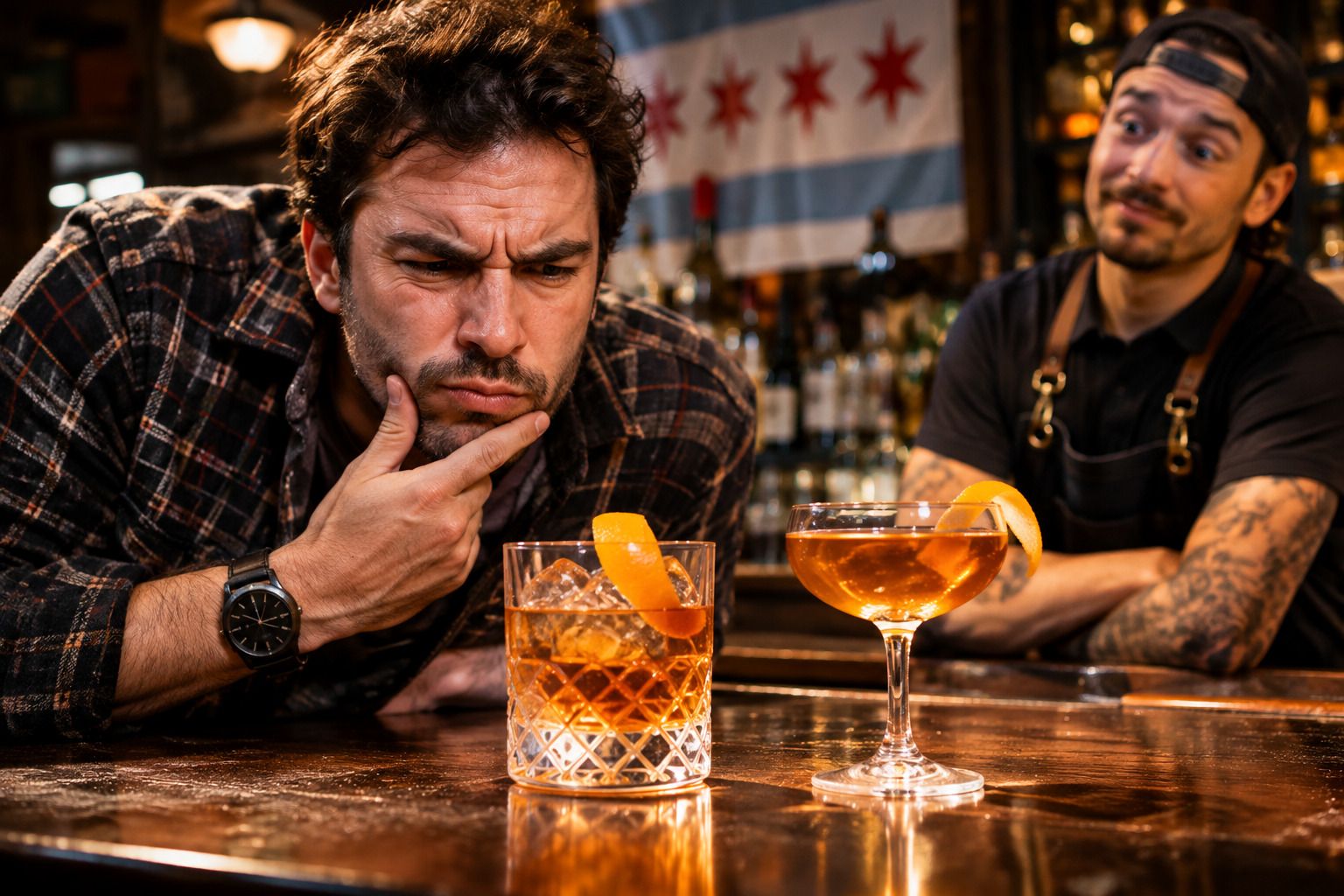
Picture two cocktails sitting on a Chicago bar. Same ingredients, same measurements, same bartender. One is in a solid rocks glass; the other is perched in a coupe so elegant you're afraid to breathe near it.
You take a sip of each and, without being asked, start delivering a verdict. This one is smoother. No, wait, this one feels more expensive. Your friend just wanted to know whether you were ordering fries.
It's the world's least necessary investigation. The coupe has apparently graduated from finishing school, while the rocks glass looks like it knows a guy who can fix your car.
Neither drink has done anything wrong, but one of them has already won the public-relations battle.
🧠 Your Brain Has Expensive Taste
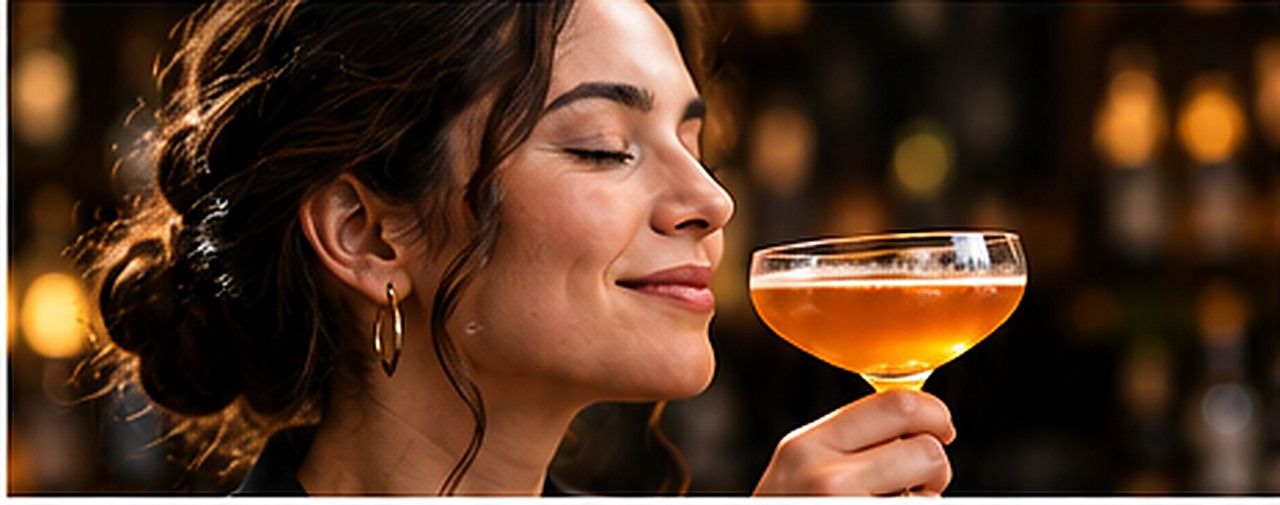
Before you taste a drink, you see its color, notice the glass, and feel its weight in your hand. Your brain uses all of that information to form an expectation.
Researchers have found that the vessel can influence how people judge a drink's aroma, flavor, and even value. That's not proof that every cocktail gets an instant upgrade in a coupe; it's proof that your brain is not the neutral referee it claims to be.
A thin stem whispers, We're having a sophisticated evening.
A heavy tumbler says, We've had a long week, and we've earned this.
Serve that same drink in a souvenir coffee mug and suddenly it feels like a team-building exercise.
Apparently, some of us aren't tasting a cocktail so much as interviewing its outfit.
👃 Your Nose Wants a Seat at the Table
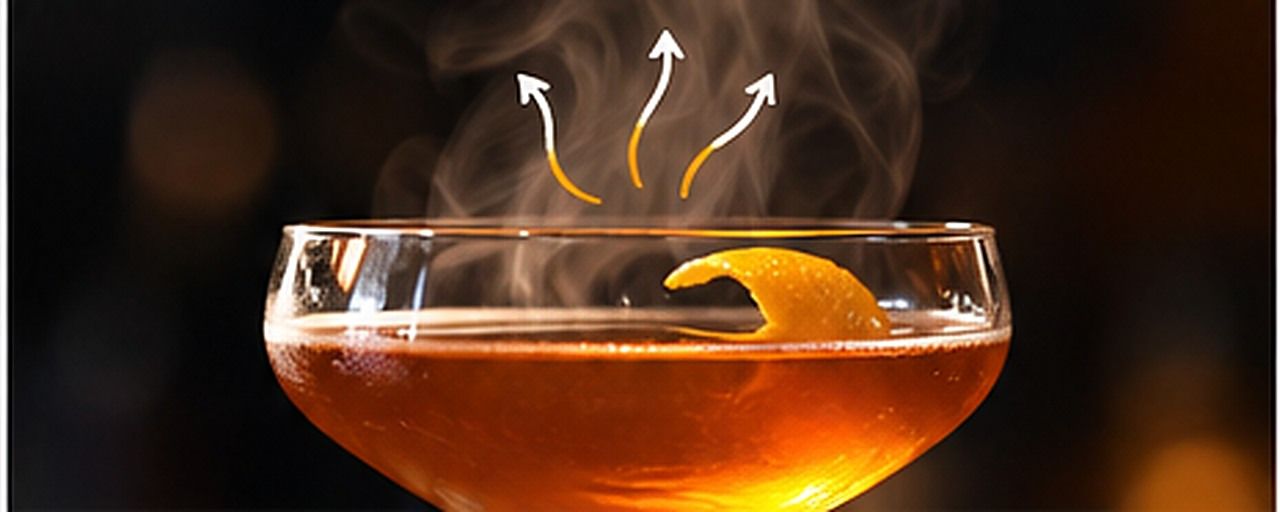
Here's where the comedy gets inconvenient: the glass can matter physically, not just psychologically.
Much of what we call flavor involves aroma, and the shape of a glass can affect how aromatic molecules gather and reach your nose. Research with wine has found differences in perceived aromas between glass shapes, although the effect depends on the drink and the glass.
Wider isn't automatically better, and narrower isn't a guaranteed secret weapon.
Think of the orange twist on a cocktail. It isn't there solely to make the drink look like it has a stylist. Its fragrant oils add to what you smell while sipping.
Meanwhile, you're announcing that you've detected a bright citrus finish as the orange peel sits right under your nose, doing unpaid overtime.
🧊 The Temperature Custody Battle
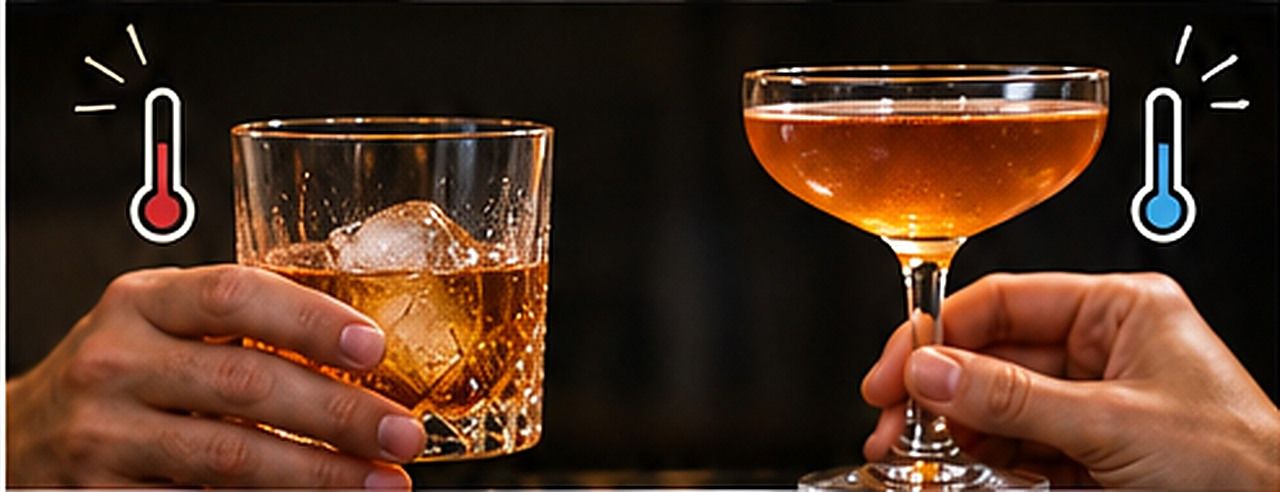
There's also a practical reason for the stem.
Drinks served up chilled, strained, and without ice in the glass can warm as you hold the bowl. A stem gives your hand somewhere else to go. Rocks drinks, meanwhile, usually bring their own little cooling department: ice.
Neither glass is magically temperature-proof, but their designs suit different ways of serving a drink.
Of course, someone will spend ten minutes discussing how perfectly chilled their cocktail is while clutching the bowl like a stress ball.
At that point, the glass isn't fighting the temperature alone. It's fighting a warm hand, a long story, and a guest who refuses to put it down.
The drink came in cold; it didn't sign up for a sauna.
🥂 Every Glass Has a Job Description
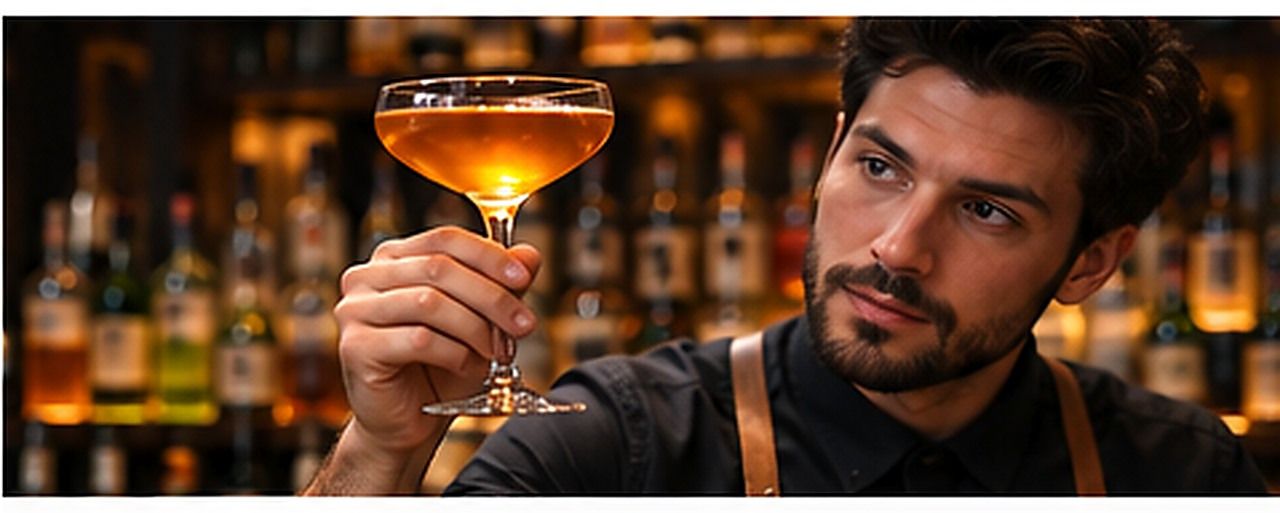
A highball leaves room for plenty of ice and mixer. A rocks glass suits drinks served over ice. A coupe works for a cocktail that's been chilled and strained.
Good bartenders choose glassware for more than appearances: it should suit the portion, garnish, temperature, aroma, and the way someone will actually drink it.
That quiet bit of judgment is part of good hospitality.
And while presentation can make a night feel special, it doesn't outrank responsible service. That's where professional alcohol-server education, including Illinois BASSET training, becomes important.
A beautiful glass can make a drink feel polished; knowing when to stop serving is what keeps the experience responsible.
So back at the bar, your friend takes another sip and announces, This one tastes more expensive.
Nobody changed the recipe.
The glass just got promoted to head bartender.
Copyright © Certified Online Training LLC 2026/2027. Illinois BASSET ® is a registered trademark.
www.bartenderillinois.com
www.bartendingillinois.com
www.bartendingschoolillinois.com
www.bassetbartender.com
www.illinoisbassetcard.com
www.bassetillinoiscertification.com www.bassetcertificationillinois.com www.bartenderlicenseillinois.com
www.bartendingillinois.com
www.bartendingschoolillinois.com
www.bassetbartender.com
www.illinoisbassetcard.com
www.bassetillinoiscertification.com www.bassetcertificationillinois.com www.bartenderlicenseillinois.com
www.idphfoodhandler.com. www.foodhandlerillinois.com www.ilccbasset.com www.bassetillinoisofficial.com. www.illinoisbassetofficial.com
basset certificate, illinois servsafe, online basset certification,"food handlers certificate",sanitation certification,"basset training online",alcohol certification, food handlers, food handler certification, basset course online, beverage alcohol sellers and servers education and training,"basset training in illinois",basset server certification,"basset training course",basset training certification,"basset training certification","get food handlers card",get food handlers permit,"get food handlers certificate online",food safety certificate,"get food handlers license",obtain food handlers certificate, get a food handlers certificate, food card renewal, food and hygiene course, food handler training program, food safety manager certification, test basic food handlers course, food and safety training, food service training program, food handlers practice test and answers,"food handler manager certification",food handling certificate near me, illinois food manager practice test, food safety certificate course, "food handlers certificate exam",food handler exam, practice food sanitation certification, food certification online,"food handlers certificate online","food handling course online",food handling certificate, online course food certification, safe food handling course, online food safety, license online,"servsafe food handler certificate","food handlers training online",food handlers online, free state food safety certificate,"online basset certification",basset class online,"basset training course online",food safety certification,food handlers certification,food handling card,food and sanitation certification online,food preparation certification, food safety online training, free online food certification,"basset class online","bassett online class",food handlers and alcohol certification,beverage server training course, alcohol seller server responsible beverage server training course, wisconsin alcohol license to serve alcohol course, alcohol serving beverage server training, responsible alcohol training, beverage alcohol sellers and servers education and training, basset training certificate,"get my food handlers card online","get a food handlers certificate",get food handlers license, online food handler certificate, food service card, food handlers certificate online illinois, get your food handlers certificate online,"get your food safe certificate online",illinois food handler certification, food handlers courses, food handling card test, food handler safety test,practice for food handlers test,food safety online, food worker training, food training course, servsafe food handler test answers, food handler safety training,food safety license online,"food handler certification course",food protection courses, food service certification test, food handler safety,food service certification, food service certification online,food handlers class online, state food safety certification, food and safety certificate online, state food handlers card, servsafe food handling, food handlers training, online handlers license,"basset course online",basset training course online, food certification course,"food handlers online",food handlers certificate, online food handler certificate course, card food, food worker certification, beverage service training, food and beverage certification, beverage training, alcohol server certificate, alcohol beverage certification training, alcohol handler certification, liquor certification, bartender certification, servers permit, responsible beverage server training course, liquor handlers license, basset alcohol,"basset certification",basset certification, food handler test, food handler, bartender classes, basset alcohol certification,"basset alcohol training",find my food handlers card, get a food handlers permit, get food safety certification, get your food handlers card,get food handlers certificate online, illinois state food handlers license, online food handlers license, get your food handlers card, online food hygiene safety, food safety exam, food safety course test, food service training, online food training, food handlers test online, free food handler safety training test, managers food handlers license,"food handler classes",certified food manager exam, safe food handling certification, food course online, food handling program, food handlers online, food card test, food handlers license online, food health card, food safe certification online, food license certificate,"safe food handling course online",food safety class, food safety training course, online certified food protection manager certificate, food service handler certificate, food safety certification, companies food handler certificate, servsafe food sanitation certificate, food and safety certificate, food handling course online, food handling license online, servsafe food handler online course, basic food safety training, food safety certificate, free online food safety certification program, servsafe food safety online course,"food handling certificate online course",servsafe food handler online,"basset license online",liquor license training ,responsible server course, alcoholic beverage server training certification, alcohol serving certification, responsible beverage course,safe serve alcohol server training certificate, food handler and alcohol permit, servsafe exam near me, server training, get bartending license, online basset training,"basset training","basset alcohol certification",food service certification, servsafe food handler test,"alcohol certification",bartender license online, alcohol serving license, alcohol server permit, bartending course certificate, basset training in illinois, free basset certification,"basset server certification","basset certificate","basset certificate illinois","get food handlers card online",get my food handlers certificate,"get my food handlers certificate",how do i get a food handlers license, get my food handlers card online, get your food safe certificate online,"food handlers cert",sanitation certification online, food handler manager, online food sanitation course,food handlers certificate,"food handler training program", food safety certification exam, food handler certification course,food safety course, practice test food handler program, online food safety training and certification food protection manager food safety cardonline sanitation certification food certification, food handling card online, bassett online class, food handler license, state food handlers, food service course, online food safe certification, food training certificate,"online food handler program",illinois food sanitation license, online food service, prep food handlers, alcohol class beverage certification, seller server certification, alcohol handler license, beverage handler certification, seller server online, alcohol server license, liquor license to serve alcohol, beverage training courses, alcohol server training certificate, alcohol beverage server basset training class, basset training for bartenders,"free basset certification","basset training for bartenders",get food handlers license, reprint my food handlers card,"get food handler certificate",get food safety certificate,"get your food handlers card online","get food handlers license online",food card, online handler training, food sanitation course, food handler course, food certification test, food protection certificate, servsafe food handler practice test, food safety training programs, food handler manager certification, food handler training courses,"food handler training courses",food handlers practice test, safe food handlers, food safety training program, food managers practice test, servsafe food handler certificate, food handler training certificate programme, food service license, food and handling, food protection course test, food service sanitation certificate, food service safety certification,"food handlers class online",certified food food service training certificate, online food safety training and certification, food sanitation license. online basset license, online alcohol seller certification, bartending certification course, responsible beverage server training, alcohol certification test, food and alcohol handlers card, alcohol serve, alcohol awareness certification, alcohol handling certificate,"beverage certification",servsafe food handlers,"bartender license online",get food handlers card online, alcohol server certification, bartender training certificate, basset alcohol training, basset training course, basset certificate, get food handlers card, get food handler certificate,"get your food handlers certificate online",food handler illinois,il food handler certificate, food safety manager exam, food handler classes, food handlers cert, food protection certification, food service manager practice test, restaurant manager test, food safety certification classes, food safety certificate, practice test food safety training, practice test food handler training, food certification practice test,"food handler training", basset and food handler certification, food safety course, basset liquor certification, food and hygiene certificate, food service handler , online food hygiene course, food handling course near me, online food service certificate, basset and food handlers, basset and servsafe, on premise basset alcohol certification, food han, learn2serve basset, food handlers and basset certificate, safe food handling course, idph food handler training, food hygiene training, food and safety course, online basset food handler, basset certification, servsafe safe food handling, certificate, food safety test, online food handlers training course, basset cert, basset bartending license, food safety training, certified food handler, food safety test, food safety certificates, basset servsafe, illinois basset certification, food handler and basset, food handler and basset certification, bassett food certification, cheap basset certification, food safety training online, certificate food, food handler license, servsafe basset, basset alcohol license, 360training, basset food and handlers, illinois basset, basset license, basset food handlers course, online safe food handling, food handlers class, food hygiene courses, food handling safety training, food safety certificate online, food handling test, basset liquor license, food handling certificate, online tips, basset certification, food certificate, test food handlers certificate, exam food service course, food handler exam questions, basic food handling training, food safety training course online, servsafe manager practice test, food handler's license, food safety certifications, food manager certificate, online food server card, food handlers certificate online test, servsafe certification, handling certificate, serv safe certificate, food safety and training certification, serve food handlers, food service sanitation certification, online food handler program, food handlers online training, best food handlers course online, basset training online, responsible beverage training, responsible beverage server, bartending license class, alcohol training, alcohol training course, certificate to serve alcohol, alcohol safety certification, responsible beverage service training,
www.illinoisbartendinglicense.com
www.illinoisbartendinglicense.com